The Gut-Brain Connection: What Your Nutrition Is Doing to Your Mood
About 90% of your serotonin is produced in the gut, not the brain. The 2017 SMILES trial showed that a Mediterranean dietary intervention was as effective as counseling for moderate-to-severe depression. Here's what psychiatry is only beginning to reckon with.
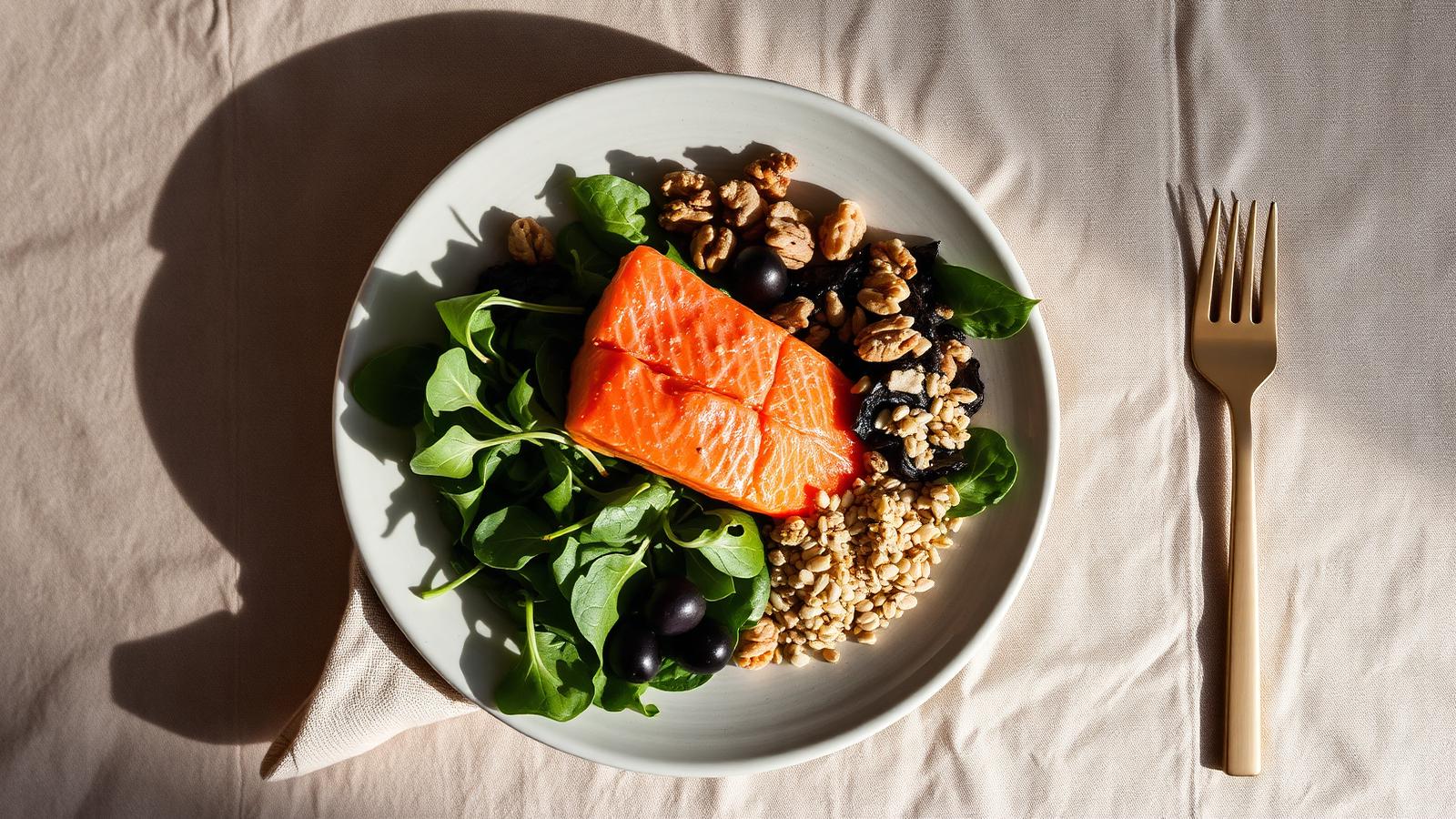
90% of Your Serotonin Is Made in Your Gut
Approximately 90% of the body's serotonin is produced not in the brain but in the enteric nervous system — the neural network embedded in the gastrointestinal tract. The brain and gut communicate continuously via the vagus nerve. Roughly 80% of vagal fibers carry information from gut to brain, meaning your gut is constantly informing your mood.
The Microbiome as a Neurotransmitter Factory
The gut microbiome — several trillion microorganisms in your digestive tract — produces neurotransmitter precursors: the raw materials your brain uses to synthesize serotonin, dopamine, and GABA. It regulates the gut lining and modulates the immune system, which affects neuroinflammation — a mechanism increasingly implicated in depression and anxiety.
The SMILES Trial: Food as Medicine
The 2017 SMILES trial — the first randomized controlled trial of dietary intervention for depression — showed that a Mediterranean-style dietary change was as effective as counseling for moderate-to-severe depression. The mechanism runs through the microbiome, the vagus nerve, neuroinflammation, and neurotransmitter precursor availability.
Three Questions Worth Sitting With
- How much dietary fiber are you eating daily? Most adults get less than half the recommended amount — and fiber feeds the bacteria that produce neurotransmitter precursors.
- Are you eating any fermented foods? Yogurt, kefir, kimchi, sauerkraut, miso — even small consistent amounts measurably shift microbiome diversity.
- What does your blood sugar look like across the day? Spikes and crashes from refined carbs, skipped meals, or excess caffeine directly affect cortisol and mood.